How did AI expose Lenovo's fake encryption and hardcoded keys in USB drives?
Research shows Lenovo’s encrypted drive lacked encryption, while AI tools found fixed keys and backdoor accounts in other vendor products
Key points
- The Lenovo ThinkPlus FU100 contained no encryption, using only a fingerprint reader to enable USB connectivity
- AI-assisted analysis identified hardcoded keys and backdoor accounts in other secure USB storage products
- Lenovo issued high-severity fixes for multiple drives, requiring physical returns or on-site firmware upgrades
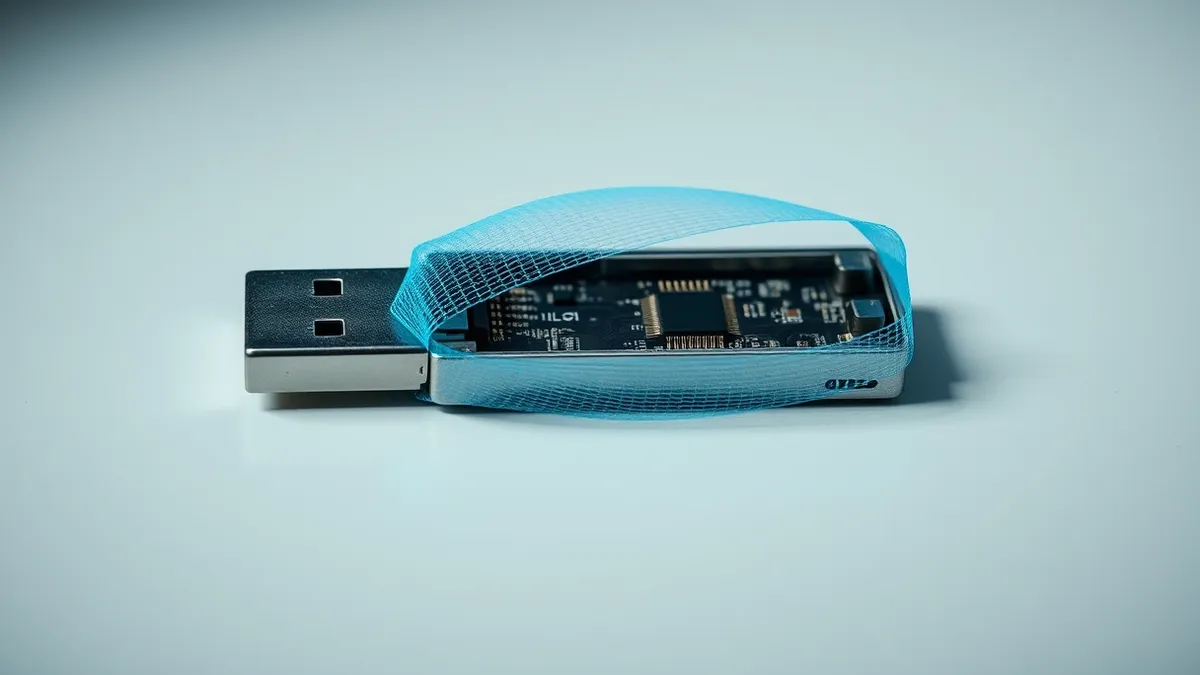
An AI-assisted follow-up investigation last week identified backdoor accounts on another maker’s drive and hardcoded cryptographic keys in other supposedly secure USB storage products, expanding on earlier findings about hardware security flaws. This development indicates that automated tools assisted in uncovering persistent vulnerabilities in physical devices that were previously considered secure.AI tools recently found hidden accounts and fixed passwords in USB drives that were supposed to be secureAutomated analysis revealed hardcoded cryptographic material and unauthorized access mechanisms in commercial USB storage hardware
The announcement
Security researcher Xusheng Li originally reported that the Lenovo ThinkPlus FU100 fingerprint drive was merely an unencrypted SD card in a specialized enclosure, according to the published report The device marketed as providing AES-256 encryption did not encrypt data; the fingerprint sensor simply controlled the USB connection status.reported Li described the unit as an SD card in a fancy case during a March conference talk, noting that physical access allowed trivial data retrieval.
Evidence: reported
Lenovo's 'encrypted' fingerprint USB drive is just an unencrypted SD card in a fancy case — AI-assisted follow-up finds a backdoor and hardcoded keys in other ‘secure’ USB productsaifleet-tomshardware
The context
Lenovo responded to the initial findings with an interim fix involving epoxy over the card, then released formal updates early this year for the FU100, FU200, TU800 drives and the TSD303 SSD.reported These fixes require owners to contact a China service line, back up data, wipe the drive and either return the device or receive an on-site firmware upgrade. Lenovo rated the advisory severity as high, with one CVE covering configuration software that allowed local users to bypass authentication and enroll untrusted fingerprints.
Evidence: reported
Lenovo's 'encrypted' fingerprint USB drive is just an unencrypted SD card in a fancy case — AI-assisted follow-up finds a backdoor and hardcoded keys in other ‘secure’ USB productsaifleet-tomshardware
Reading between the lines
The same research uncovered a separate flaw in the TSD303 external SSD, where encrypted data was protected by a password sent in plain text over USB for software comparison.reported An initial fix used block cipher encryption with a timestamp-derived key, but this remained vulnerable to physical tampering. A later fix late last year moved password checking inside the drive, ensuring the correct password never leaves the hardware.
Evidence: reported
Lenovo's 'encrypted' fingerprint USB drive is just an unencrypted SD card in a fancy case — AI-assisted follow-up finds a backdoor and hardcoded keys in other ‘secure’ USB productsaifleet-tomshardware
The business case
Organizations relying on vendor-certified hardware for data protection face significant operational overhead when flaws require physical device returns and service line coordination. The discovery of hardcoded keys and backdoors via AI-assisted analysis indicates that marketing claims of hardware security may not withstand scrutiny, complicating vendor selection for secure storage solutions.
Why it matters
- AI-assisted analysis identified hardcoded secrets and backdoors in physical hardware, demonstrating a method for uncovering supply chain security flaws
- High-severity firmware flaws in encrypted drives force organizations to implement cumbersome recovery processes, including data wiping and device returns
- Plain-text password transmission in previous firmware versions made credentials easy to capture, highlighting risks in vendor software design
- Claims of hardware-level encryption may not match actual implementation, requiring independent verification before deploying devices in sensitive environments
Topics: hardware security, USB storage, Lenovo, AI security research, firmware vulnerabilities
Updated
Then / now / next
The Lenovo ThinkPlus FU100 was marketed as an AES-256 encrypted drive with fingerprint authentication
Research reveals the drive lacked encryption, while AI tools found hardcoded keys and backdoors in other products
Organizations should verify whether their secure storage devices contain hardcoded credentials or backdoor access points
Story timeline
- Then The Lenovo ThinkPlus FU100 was marketed as an AES-256 encrypted drive with fingerprint authentication
- 01 Nov 2026 Lenovo's 'encrypted' fingerprint USB drive is just an unencrypted SD card in a fancy case — AI-assisted follow-up finds a backdoor and hardcoded keys in other ‘secure’ USB products
- Now Research reveals the drive lacked encryption, while AI tools found hardcoded keys and backdoors in other products
- Next Organizations should verify whether their secure storage devices contain hardcoded credentials or backdoor access points
For readers
Business
- Vendor marketing claims about hardware encryption may not reflect actual security implementations
- Physical device returns for firmware fixes create significant operational burdens for IT departments
Researchers
- AI-assisted analysis identified hardcoded secrets and backdoors in physical hardware
- Previous firmware fixes using timestamp-derived keys remained vulnerable to physical tampering
Consumers
- Fingerprint USB drives marketed as secure may lack actual encryption, leaving data exposed
- Users must wipe devices and contact service lines to receive security fixes for high-severity flaws
Ask the article
Local keyword search of this article; no generated answers.Did this article give you the evidence you needed?
Your choice stays on this device. No public tally.Terms in this story
AES-256
Advanced Encryption Standard with a 256-bit key, a widely used symmetric encryption algorithm
Hardcoded keys
Cryptographic keys embedded directly in device firmware or software rather than generated dynamically
Backdoor accounts
Hidden user accounts that allow unauthorized access to a system, often bypassing standard authentication
Firmware upgrade
An update to the low-level software embedded in hardware devices, often used to fix security flaws
Questions readers ask
Did the Lenovo ThinkPlus FU100 actually encrypt data?
No, the drive contained an unencrypted SD card, with the fingerprint reader only enabling the USB connection rather than performing encryption
How did Lenovo fix the high-severity security flaws?
Lenovo required owners to contact a China service line, wipe drives and either return devices or receive on-site firmware upgrades
What new vulnerabilities did AI tools discover?
AI-assisted analysis found hardcoded keys in secure USB products and backdoor accounts on another maker’s drive
Reading receipt
- The Lenovo ThinkPlus FU100 contained no encryption, using only a fingerprint reader to enable USB connectivity
- AI-assisted analysis identified hardcoded keys and backdoor accounts in other secure USB storage products
- Lenovo issued high-severity fixes for multiple drives, requiring physical returns or on-site firmware upgrades